Fixed Mount or Solar Tracker: Which One Is Right for You?
Comparing fixed-tilt structures with single-axis tracker systems for solar investments: yield difference, cost, maintenance and which projects suit each approach.
Everyone planning a solar investment eventually asks the same question: should the panels stay fixed, or follow the sun? Both approaches have real strengths; the right answer depends on your project, your land and your goals.
Fixed mount: simplicity and lower cost
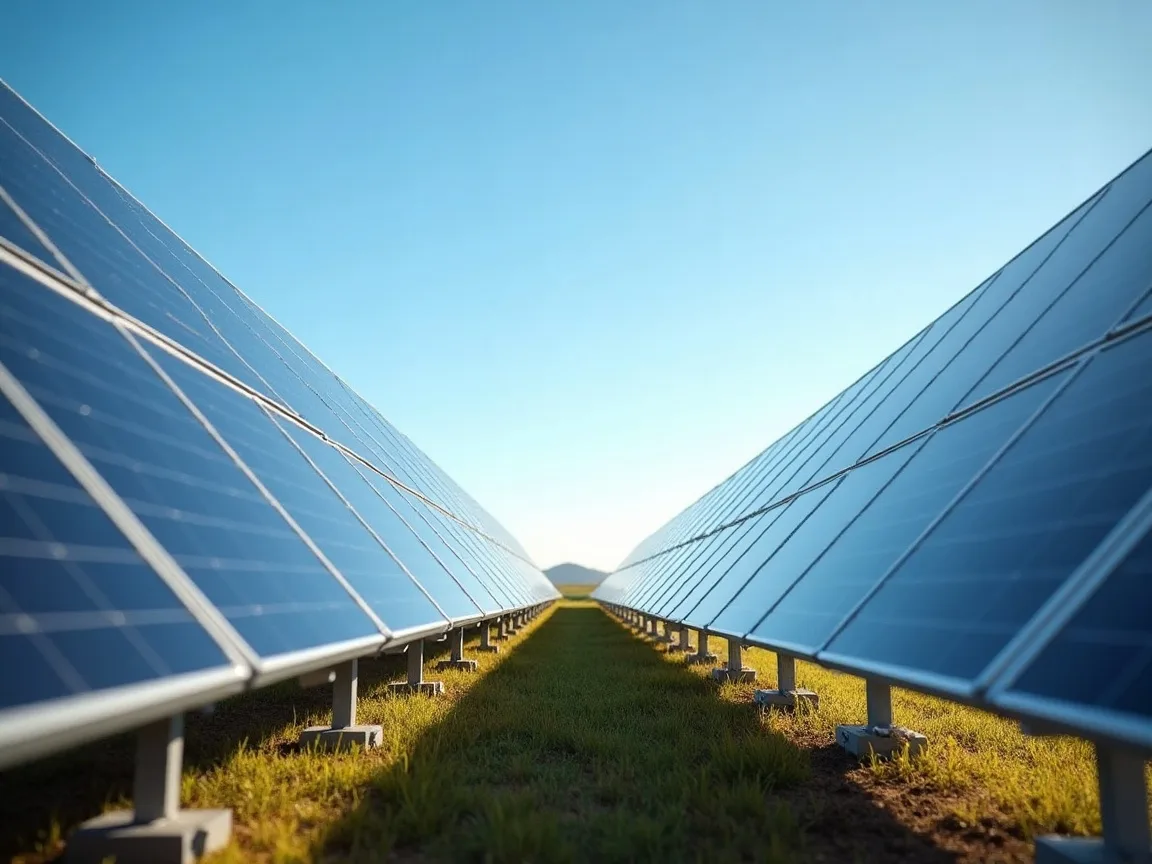
With a fixed structure, panels are installed facing south at the optimum angle calculated for the site’s latitude — and never move again.
- Lower initial investment: No moving parts means lower structure and labour costs.
- Near-zero mechanical maintenance: There are no motors, gears or control units.
- The standard for rooftops: Trackers cannot be applied on rooftops, so fixed mounting is the only option there.
Tracker: more energy from the same land
A single-axis tracking system rotates the panels from east to west throughout the day, keeping sunlight hitting the panel at the steepest possible angle.
- 20–25% extra yield: With the same panel capacity, generation is significantly higher — especially in summer.
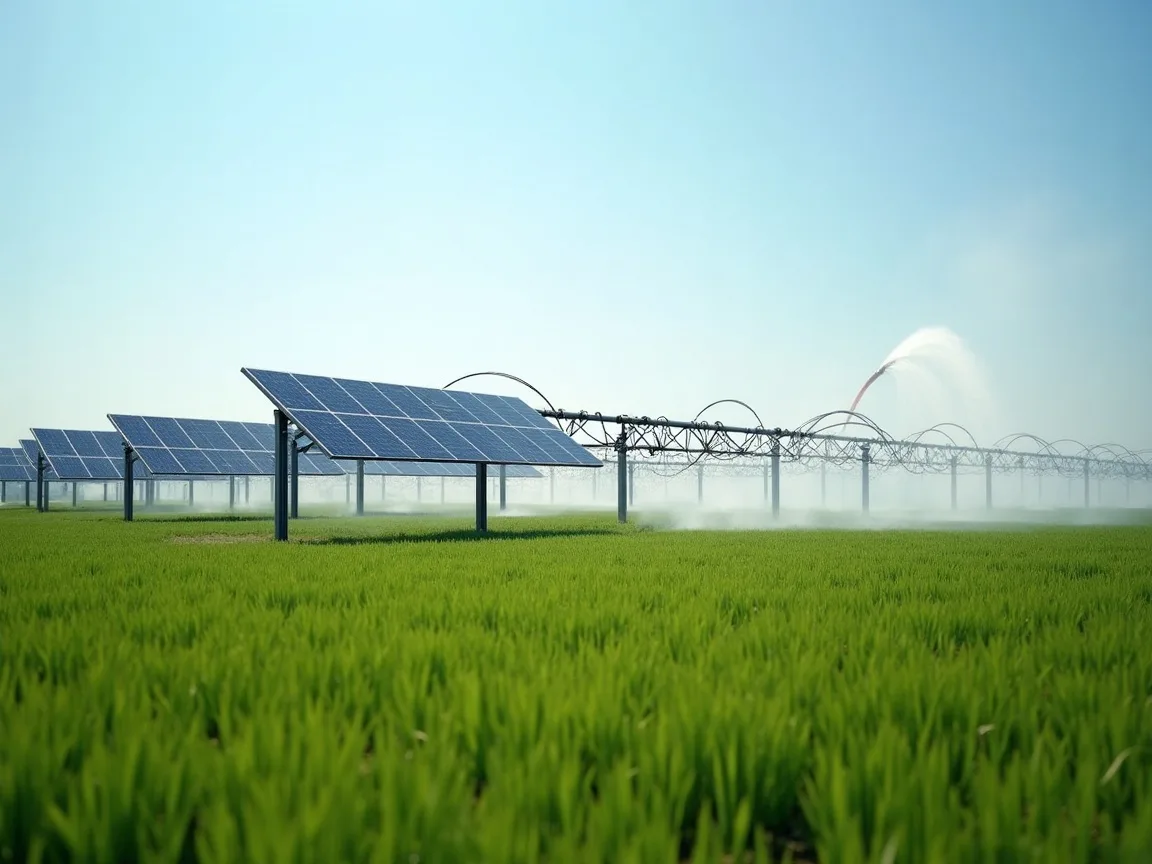
- A flatter generation curve: Output stays high in morning and evening hours, a major advantage for all-day loads such as agricultural irrigation.
- Land efficiency: On limited land, the generation target can be reached with fewer panels.
At RK Otomasyon we develop our tracker control systems through our own R&D. This lowers installation cost and lets us intervene remotely the moment a fault occurs.
Comparison table
| Criterion | Fixed mount | Single-axis tracker |
|---|---|---|
| Initial investment | Lower | ~10–15% higher |
| Yield | Baseline | 20–25% more |
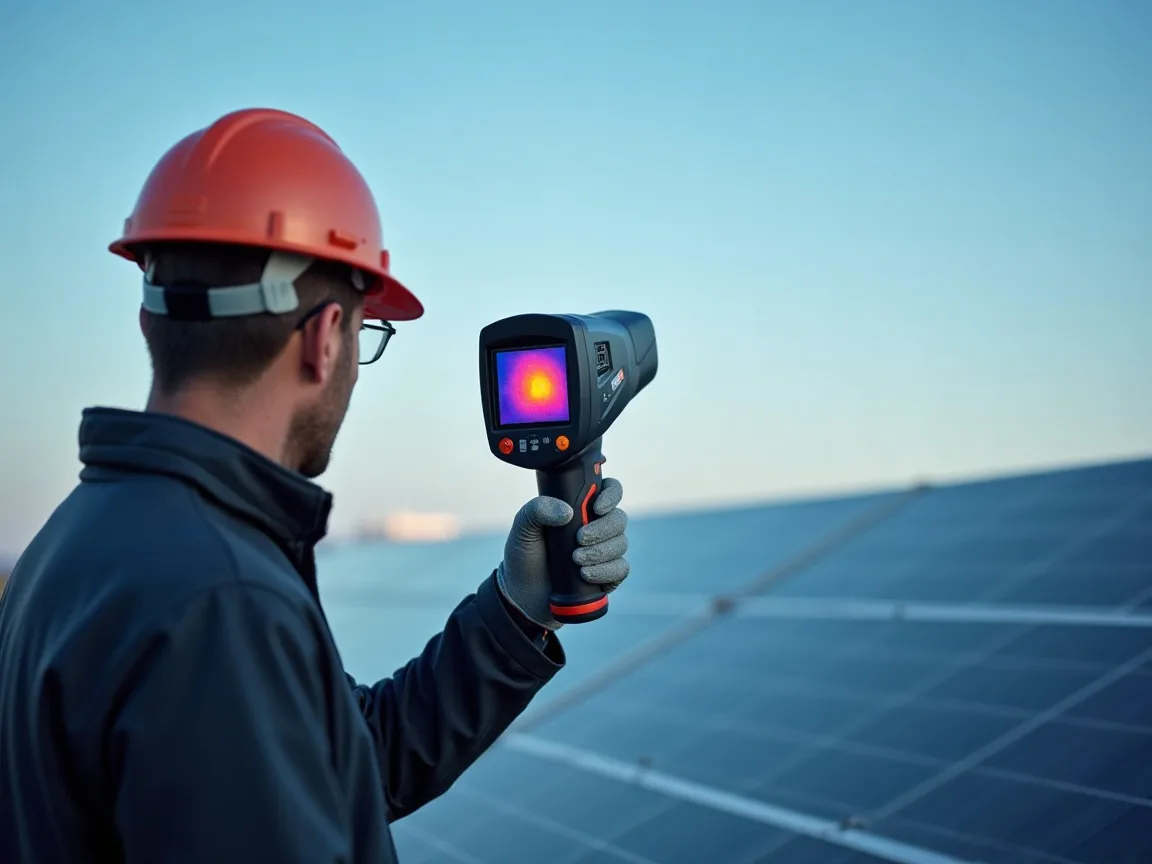
| Maintenance | Minimal | Periodic mechanical checks |
| Rooftop use | Suitable | Not suitable |
| Solar irrigation | Suitable | Highly suitable |
Which should you choose?
- For a rooftop project the answer is clear: fixed mount.
- For a ground-mount project with limited land and a high generation target, a tracker usually pays back faster.
- In agricultural irrigation, the tracker’s balanced all-day output means the pump runs longer.
A site-specific feasibility study settles the question. With a free survey we analyse your consumption profile and land, then model annual yield and payback for both scenarios.