PLC and SCADA: Making Your Production Line Visible and Manageable
The role of PLC and SCADA systems in industrial automation, what modernisation brings to a plant, and the steps of a well-run automation project.
The first requirement for improving efficiency on a production line is seeing what is actually happening on it. PLC and SCADA systems deliver exactly that: they control machines reliably, measure the process and turn data into actionable information.
PLC: the reliable brain on the floor
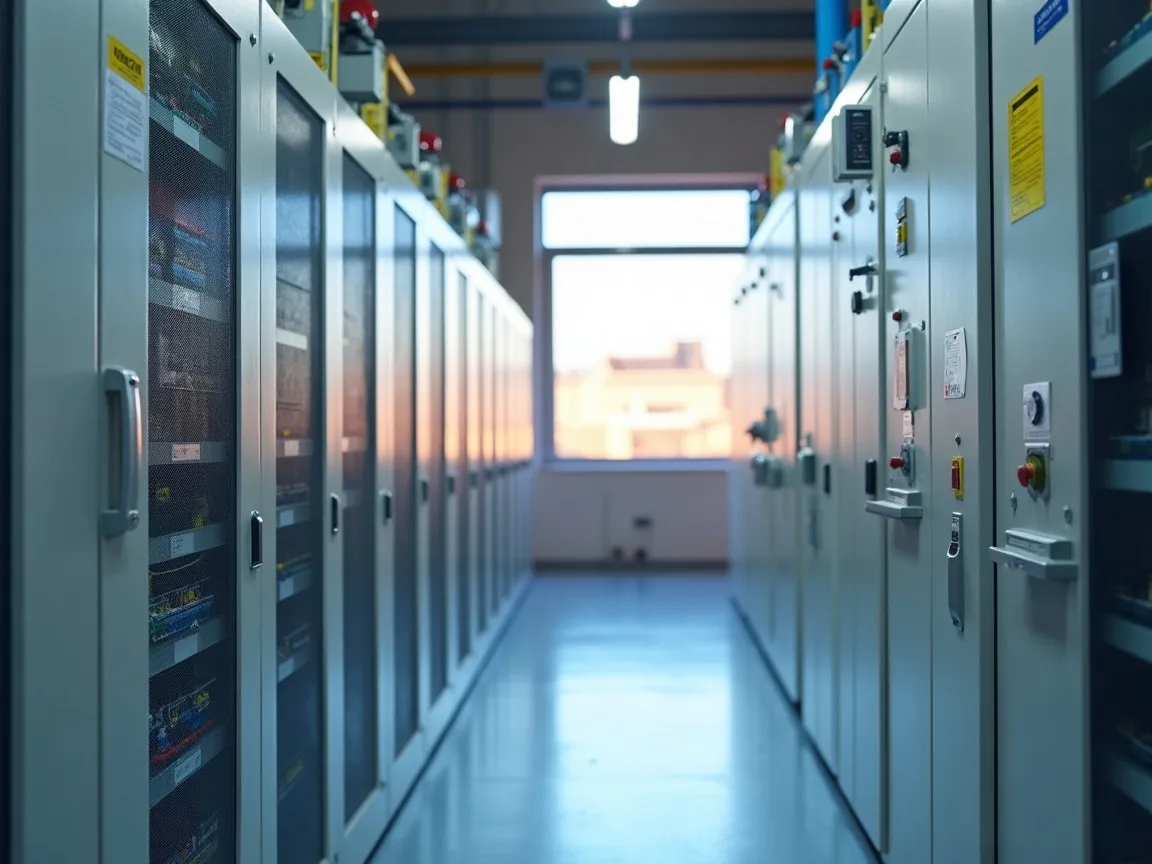
A PLC (Programmable Logic Controller) is a control computer built to survive the harsh conditions of industrial environments. It reads signals from sensors and drives motors, valves and actuators according to the programmed logic.
- Deterministic operation: The same response, every time, within milliseconds.
- Durability: Industrial protection against dust, vibration, temperature and electrical noise.
- Modularity: Expandable with I/O modules as the line grows.
SCADA: the bird’s-eye view of the plant
SCADA collects data from the PLCs in the field and presents it to the operator on a single screen: live status, alarms, trends and reports. Remote access makes it possible to monitor the plant from outside the factory and intervene when needed.
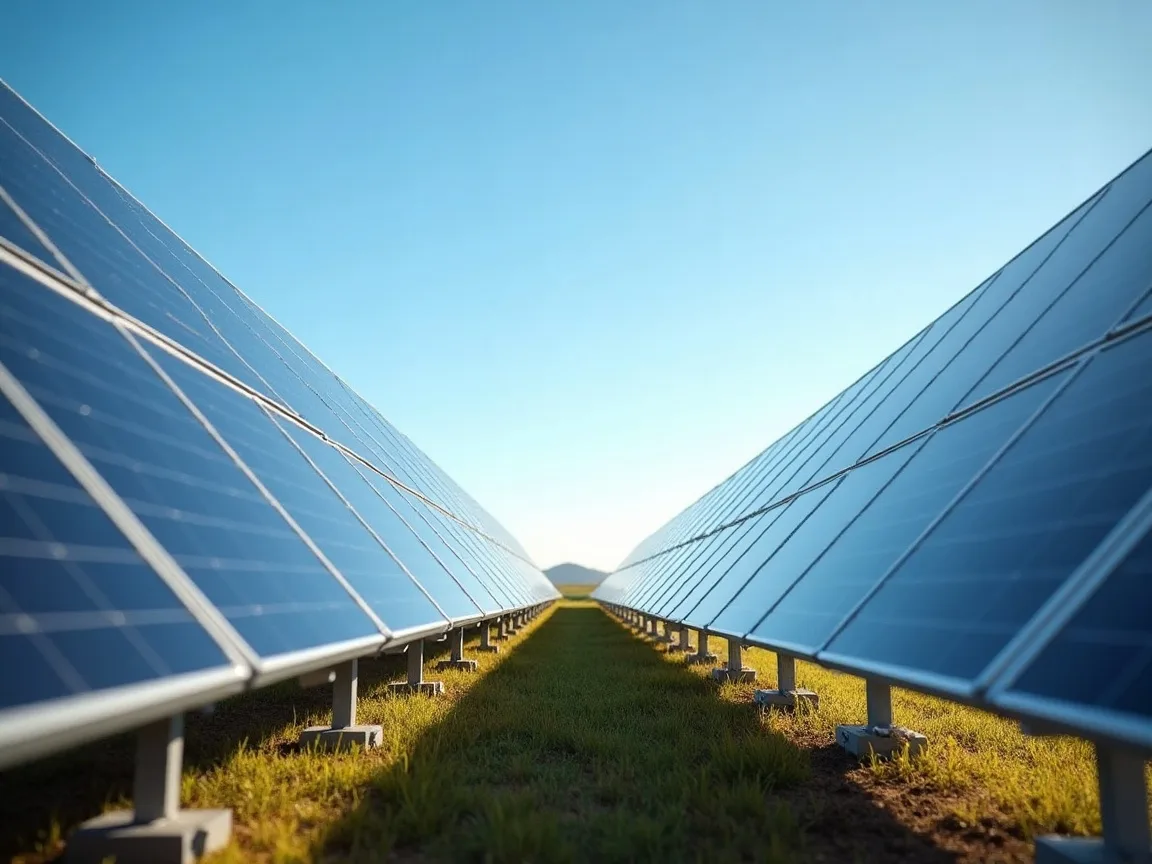
We monitor the tracker systems on our solar sites with the same approach: generation data, motor status and fault codes on one panel — we often resolve a fault before the customer even notices it.
What does modernisation bring?
For lines running on old relay panels or without control, automation modernisation typically delivers:
- Less downtime: Fault sources are localised instantly through alarms.
- Energy savings: Consumption is optimised with variable-speed drives and smart control.
- Traceability: Production counts, scrap rates and OEE data are recorded.
- Repeatable quality: Recipe-based production minimises operator error.
Steps of a well-run automation project
- Survey and needs analysis: Clarifying the current line, bottlenecks and goals.
- Design: Panel engineering, equipment selection and software architecture.
- Manufacturing and installation: Panel built in the workshop, commissioned on site.
- Training and support: Operator training, documentation and 24/7 fault support.
Let’s assess your line’s automation level together — just reach out for a survey.