Why Solar Plant Maintenance Matters: Preventing Silent Yield Loss
The importance of periodic maintenance in solar plants — thermal imaging, panel cleaning and inverter checks, and their impact on generation.
“Install solar panels and they run themselves for 25 years” is only half true. Panels are indeed long-lived; but an unmaintained plant can silently lose 10–20% of its annual yield. By the time the loss shows up on the bill, months have passed.
What quietly erodes generation
- Soiling: Dust, pollen and bird droppings form a film on the panel surface. In dry regions like Konya, soiling losses are too large to leave to the rain.
- Hot spots: Local heating caused by shading or cell defects turns into permanent cell damage over time.
- Connector and DC line issues: Loose connections mean both losses and fire risk.
- Inverter faults: When the inverter — the heart of the plant — stops, generation stops entirely; early warning signs usually appear months in advance.
- Mechanical loosening: Under wind load, structure bolts and tracker components need periodic torque checks.
What periodic maintenance covers
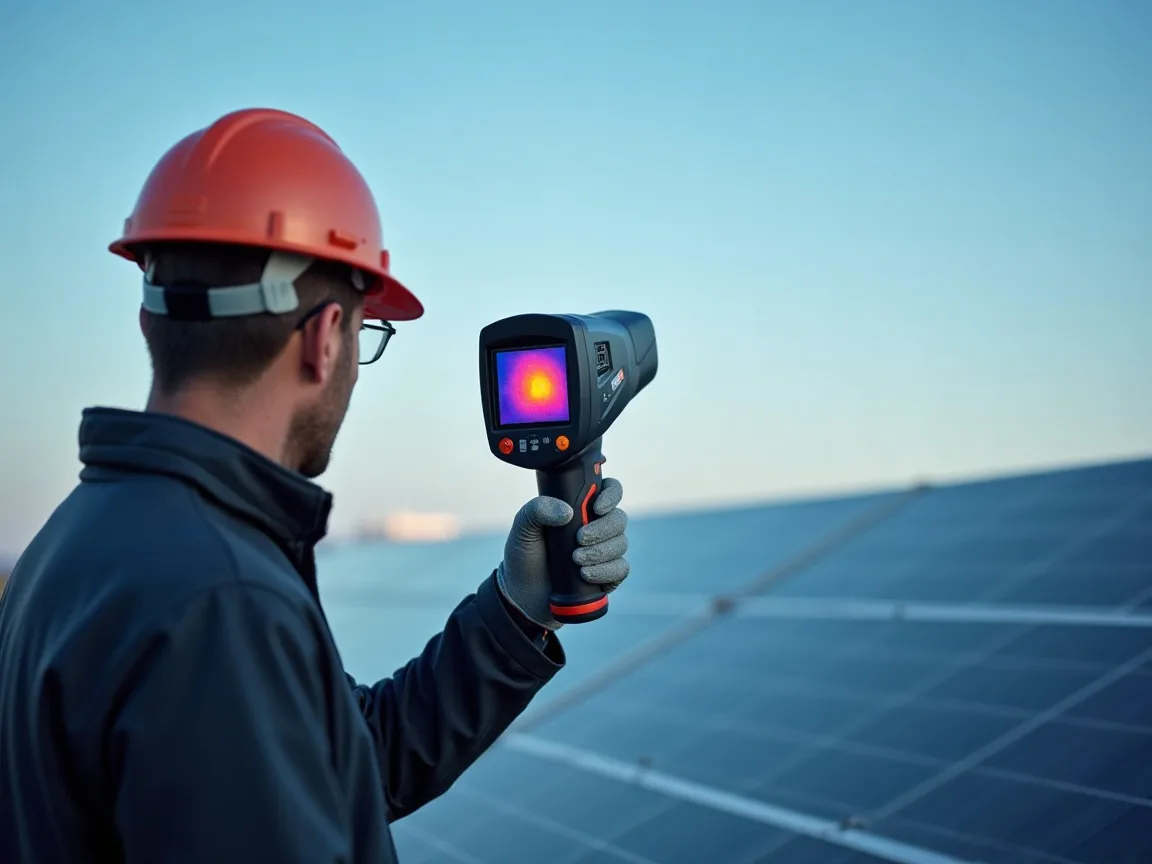
- Thermal imaging: Hot spots and faulty cells are detected without touching the panels.
- Electrical measurements: String current/voltage values are compared; deviating strings are investigated.
- Panel cleaning: Done with deionised water and proper equipment, without damaging the panels.
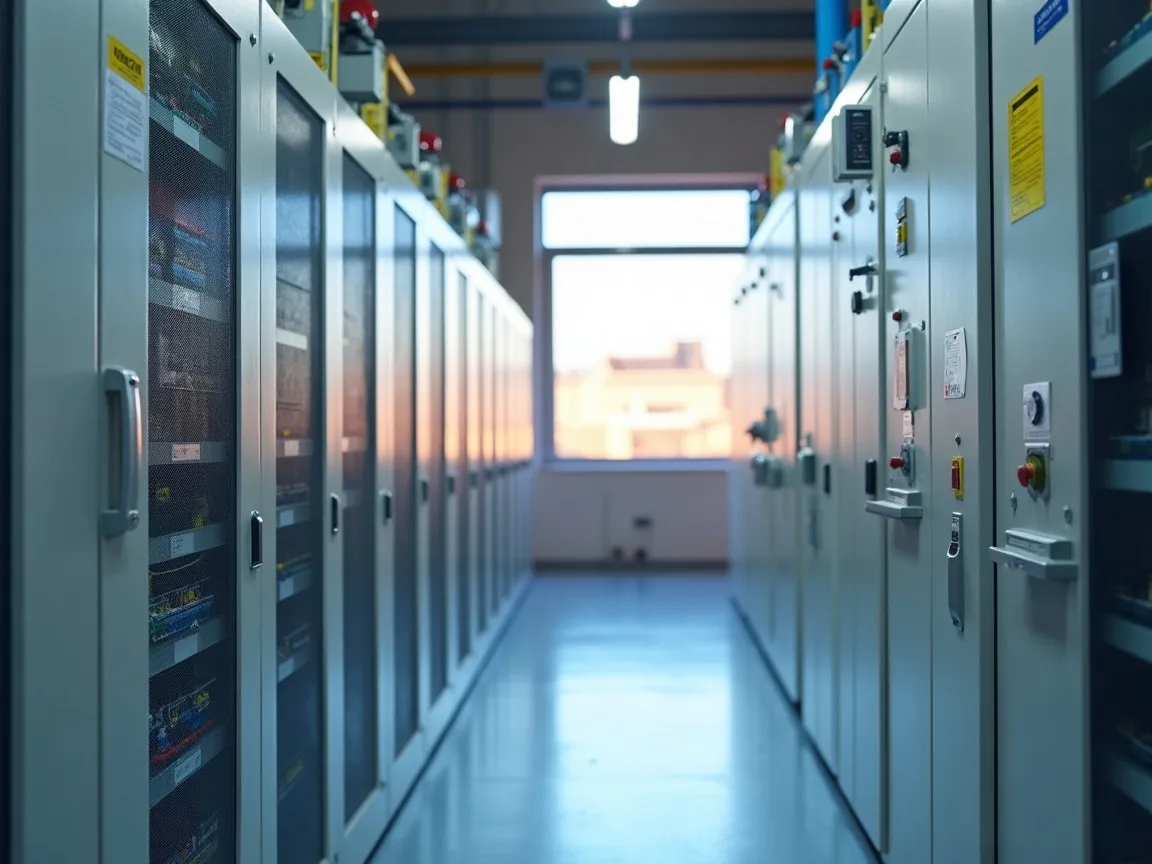
- Inverter checks: Fault logs are read; cooling and connections are inspected.
- Structure and tracker checks: Torque verification and wear inspection on moving parts.
On plants where we’ve installed remote monitoring, we catch most faults from anomalies in the generation curve — before the customer even notices.
Maintenance costs little next to the loss
Annual maintenance cost is a small fraction of the yield loss it prevents on a typical commercial plant. Early diagnosis also ensures warranty issues are reported to the manufacturer before coverage expires.
Besides the plants we build ourselves, we also maintain systems installed by other companies. Request a free preliminary check to see where your plant stands.